

Security Fencing Contractors need Specialist HSE Support.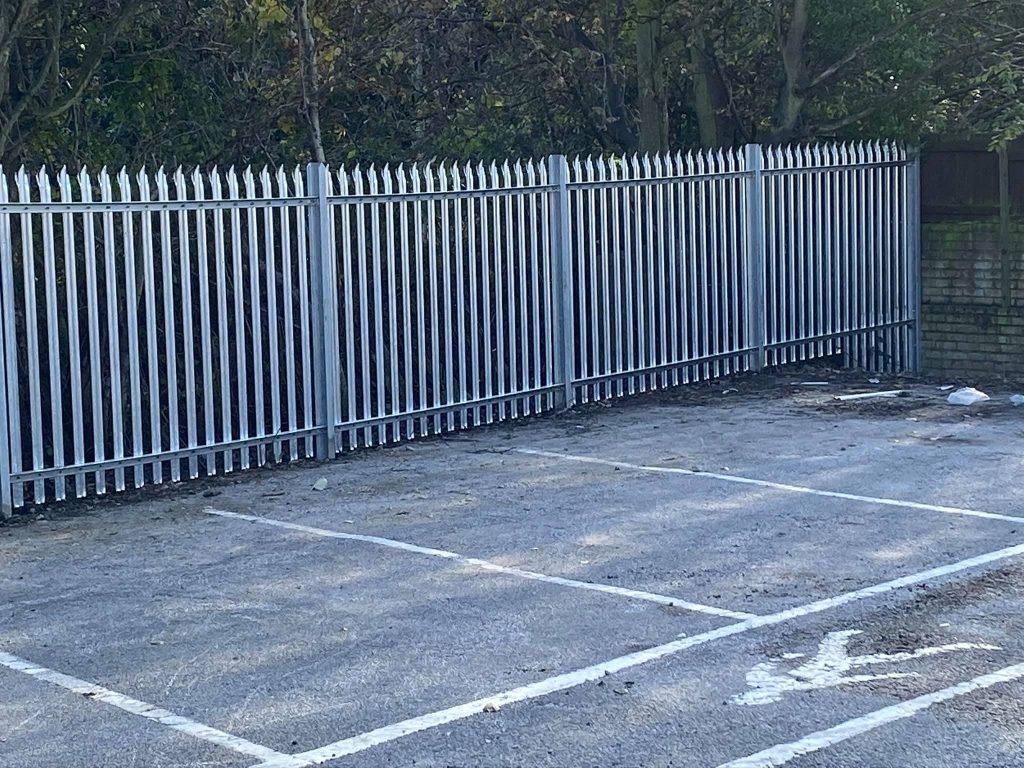
Security fencing installation combines heavy manual handling and groundworks-adjacent risks with the particular hazards of working with sharp security materials, often in remote or exposed boundary locations far from welfare facilities and mobile phone coverage. From standard palisade and weldmesh fencing to high-security perimeter systems for critical infrastructure, this trade sits at an intersection of construction, groundworks, and specialist security installation. Business Management Systems Limited provides health and safety consultancy built specifically around the realities of security fencing installation across all major commercial applications.
Why Security Fencing Contractors Need Specialist Support
Security fencing spans palisade and weldmesh perimeter systems, chain link and anti-climb fencing, high-security fencing for prisons, MOD sites, and critical national infrastructure, acoustic barriers, timber close-boarded fencing, temporary site hoarding, and gates ranging from simple pedestrian access through to powered sliding and bi-folding vehicle gates. Each of these applications carries a distinct combination of manual handling, groundworks, and installation risks. A generic risk assessment cannot properly address the difference between erecting temporary site hoarding and installing a high-security perimeter fence along a remote rural boundary with underground services and overhead lines to consider. Our consultancy produces documentation matched to the specific fencing system, location, and site environment involved.
Manual Handling of Posts, Panels and Fencing Materials
Steel and concrete fence posts, weldmesh and palisade panels, and gate structures are heavy and often need to be carried considerable distances along boundary lines with limited vehicle access. We produce practical manual handling risk assessments in line with the Manual Handling Operations Regulations 1992, addressing safe lifting and carrying technique, team handling for heavier posts and panels, and the use of mechanical handling aids such as post-hole augers, mini excavators, and telehandlers to reduce reliance on manual carrying over long boundary runs.
Post Hole Excavation and Underground Services
Fence post installation requires digging or auguring post holes along the entire length of a boundary, introducing the same underground service strike risk found in groundworks, particularly where boundary lines have not previously been excavated and service records may be incomplete or unavailable. We help clients develop safe digging practices, including obtaining and reviewing available service records before work begins, cable avoidance tool scanning along the proposed fence line, and safe hand-digging or trial holing where any uncertainty exists about buried services.
Concrete Work and Post Setting
Setting fence posts in concrete introduces wet cement handling risks, including skin irritation and alkali burns from prolonged contact, alongside the manual handling demands of mixing and placing concrete along an extended boundary run. We help clients develop safe systems of work for post setting, including correct glove and clothing selection for concrete handling, safe mixer use, and clear guidance on immediate first aid response where skin contact occurs.
Post Driving Equipment and Mechanical Hazards
Post drivers and mechanical rammers used to install fence posts without excavation present noise, vibration, and mechanical entrapment risks, particularly where equipment is operated repeatedly along a long boundary line. We help clients develop safe systems of work for post driving equipment, including correct operator training, noise and vibration exposure assessment in line with the Control of Noise at Work Regulations 2005 and the Control of Vibration at Work Regulations 2005, and clear guidance on safe positioning to avoid crush injury during the driving process.
Handling Razor Wire and Barbed Security Materials
High-security fencing frequently incorporates razor wire, barbed wire, and other deliberately sharp security materials designed to deter intrusion, and these same materials present a serious laceration risk to installers during handling and fitting. We help clients develop specific safe systems of work for handling razor and barbed wire, including correct cut-resistant glove and clothing selection, safe unrolling and tensioning techniques, and clear procedures for safe disposal of offcuts and damaged coils.
Working Near Overhead Power Lines
Fence lines frequently run beneath or near overhead power lines, particularly along rural and industrial site boundaries, introducing a serious contact risk where fencing materials, post drivers, or plant come into proximity with live conductors. We help clients develop safe systems of work for working near overhead lines, including accurate identification of line routes and voltages before work begins, calculation of appropriate exclusion distances, and clear procedures for manually carried materials such as long fence panels that can inadvertently bridge a safe distance if not handled with care.
Lone Working in Remote Boundary Locations
Security fencing installation frequently takes place along remote or extensive boundary lines with limited vehicle access, poor mobile phone coverage, and considerable distance from welfare facilities or immediate assistance. We help clients develop lone and isolated working procedures appropriate to this pattern of work, including check-in arrangements suited to areas of limited signal, first aid provision carried directly by remote teams, and clear escalation procedures if contact cannot be established within an expected timeframe.
Weather Exposure and Remote Site Conditions
Perimeter fencing work is carried out almost entirely outdoors, often across exposed rural or industrial boundary lines with little shelter, exposing operatives to sustained weather conditions and challenging underfoot conditions on uneven or overgrown terrain. We help clients build weather-related working criteria into their safe systems of work, including appropriate clothing and welfare provision for remote locations, and clear guidance on suspending work when conditions present an unacceptable risk.
Working Near Roads and Highways
Security fencing installed along road boundaries, industrial estate frontages, or highway-adjacent sites requires safe working practices near live traffic. We help clients develop safe systems of work that address traffic management arrangements where fence lines run alongside live roads, appropriate signage and barrier provision, and coordination with landowners or local authorities where installation work affects public highway safety.
Powered Gates and Electric Security Fencing
Security fencing installation frequently includes powered vehicle gates and, in some high-security applications, pulsed electric security fencing designed to deter intrusion. We help clients ensure powered gate installation addresses the same entrapment and force-limitation considerations found in wider access control work, and that electric security fencing installation follows manufacturer requirements for safe voltage and pulse characteristics, together with correct warning signage to protect both installers and the public from inadvertent contact.
Working Within Live and Secure Sites
Security fencing upgrade and replacement work frequently takes place within operational facilities, including sites with restricted or controlled access such as prisons, MOD establishments, and critical infrastructure locations, requiring specific vetting, escort, and access procedures beyond typical construction site induction. We help clients develop safe systems of work that address the particular access and security clearance requirements of these environments, alongside standard segregation from ongoing site operations and existing security infrastructure that must remain functional throughout the works.
Working Within CDM Frameworks
Security fencing contractors working on new build or major perimeter security upgrade projects fall within the scope of the Construction (Design and Management) Regulations 2015 where their work forms part of a wider construction project. We help clients understand their duties under CDM 2015, prepare risk assessments and method statements to the standard expected by principal contractors, and ensure installation teams working within secure or restricted sites are properly briefed on site-specific access and safety requirements.
Supporting Your ISO Management System
For security fencing businesses working towards or maintaining SSIP, ISO 45001, ISO 9001, or ISO 14001 certification, we provide full supporting consultancy, from gap analysis and documentation development through to internal audit and management review support, ensuring your management system genuinely reflects the remote working, groundworks, and specialist material handling demands of your work.
Working With BMS
Business Management Systems Limited is a UKAS-accredited ISO management system consultancy with a clear understanding of the manual handling, groundworks, and specialist material demands placed on security fencing contractors, from standard palisade and mesh systems to high-security perimeter fencing, razor wire installation, and powered security gates. We produce documentation your teams will genuinely use on site, built around the realities of a trade often carried out in remote, exposed, and sometimes highly secure locations.
If your security fencing business would benefit from health and safety consultancy grounded in the realities of the trade, contact Business Management Systems Limited to discuss how we can support your team.