

Plasterers and Boarding Contractors need Specialist HSE Support.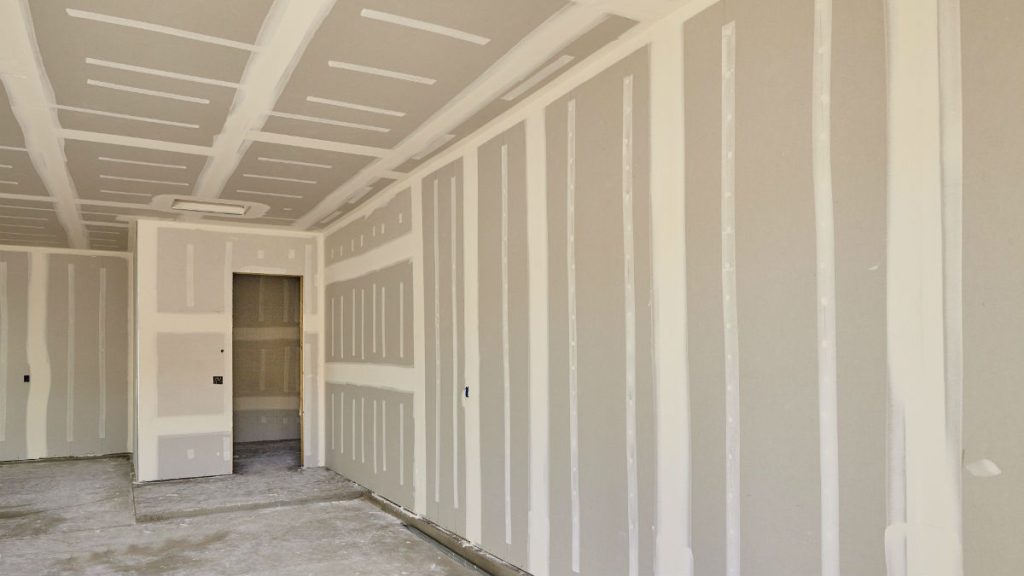
Plastering and boarding work covers a wide spectrum of commercial applications, from traditional wet plastering and rendering to dry lining, tape and joint finishing, fire-rated boarding systems, and external wall insulation render systems. Each brings its own combination of manual handling, chemical exposure, dust, and access risks, and the trade’s long association with materials such as artex and older textured coatings means asbestos awareness remains a live issue on refurbishment work. Business Management Systems Limited provides health and safety consultancy built specifically around the realities of plastering and boarding across all major commercial applications.
Why Plasterers and Boarding Contractors Need Specialist Support
A plastering and boarding contractor may move between skimming plasterboard in a commercial office fit-out, applying traditional two-coat render externally from scaffold, dry lining a fire-rated corridor in a healthcare building, and installing external wall insulation render systems on a multi-storey residential block, sometimes within the same working month. Each of these tasks carries a distinct hazard profile: repetitive manual handling of heavy plasterboard sheets and bagged materials, skin exposure to wet plaster and cement-based render, dust from sanding and cutting, and sustained work at height on external render projects. Our consultancy produces documentation matched to the specific plastering or boarding system, materials, and environment involved on each project.
Manual Handling of Plasterboard and Bagged Materials
Plasterboard sheets, bagged plaster, render, and jointing compounds are heavy, awkward, and frequently need to be carried considerable distances through restricted access routes and up scaffolding. We produce practical manual handling risk assessments in line with the Manual Handling Operations Regulations 1992, addressing safe lifting technique, team handling for large or heavy boards, and the use of mechanical handling aids such as board trolleys, hoists, and material lifts to reduce the cumulative physical demand on operatives over the course of a project.
Wet Plaster, Cement Render and Skin Health
Wet plaster and cement-based render are both capable of causing skin irritation, dermatitis, and in the case of cement-based products, alkali burns from prolonged or repeated skin contact. We help clients develop safe systems of work for mixing and applying wet materials, including correct glove and clothing selection, safe mixer use, and clear procedures for immediate first aid response where skin contact occurs, alongside broader awareness of the cumulative skin health risks associated with long-term exposure to these materials.
Dust from Sanding, Cutting and Finishing
Sanding plasterboard joints, cutting boards to size, and finishing plaster surfaces all generate dust that can cause respiratory and eye irritation, with cement-based render cutting also generating respirable crystalline silica where render is cut or ground. We help clients develop safe systems of work under the Control of Substances Hazardous to Health Regulations 2002, including dust extraction on sanding tools where practicable, correctly selected respiratory protective equipment, and controls for cutting and sanding operations carried out in occupied buildings where dust affects building users as well as the installation team.
Asbestos Awareness in Refurbishment and Overboarding Work
Refurbishment plastering and boarding work frequently involves removing or working over existing textured coatings, including older artex-style products, many of which historically contained asbestos, alongside other legacy asbestos-containing materials in wall and ceiling finishes. We support clients in developing asbestos awareness training and safe systems of work aligned with the Control of Asbestos Regulations 2012, with clear procedures for identifying suspect coatings before sanding or removal begins, since disturbing these materials without proper controls presents a serious and avoidable health risk.
Working at Height for External Render and EWI Systems
External rendering and external wall insulation systems require sustained work at height from scaffolding or, on some projects, mast climbing work platforms, often across large elevations over extended periods. We help clients comply with the Work at Height Regulations 2005, addressing safe scaffold access and platform requirements for the loads and duration involved, and clear procedures for coordinating with the scaffolding contractor as render is applied in sequence across an elevation.
External Wall Insulation and Fire Safety Considerations
External wall insulation render systems have come under significant regulatory and industry scrutiny in recent years due to fire safety concerns associated with certain insulation and render build-ups, particularly on higher-risk residential buildings. We help clients understand their obligations in relation to specified system build-ups, including ensuring installation strictly follows the tested and certified system specification, and that any variation from the specified materials or detailing is properly authorised and documented, given the serious fire safety implications of incorrect installation.
Fire-Rated Boarding Systems
Fire-rated plasterboard systems, whether forming fire-resisting walls, ceilings, or encasements to structural steelwork, play a critical role in a building’s fire strategy, and incorrect installation, including incorrect board specification, inadequate jointing, or unsealed service penetrations, can compromise fire performance without this being visible on completion. We help clients understand the correct installation requirements for fire-rated systems in line with manufacturer specifications and relevant Building Regulations, building quality assurance checks into the installation process to protect fire performance.
Noise and Vibration from Mixing and Finishing Equipment
Mechanical mixers, sanding tools, and some render application equipment generate noise and, in the case of certain sanding tools, hand-arm vibration over sustained periods of use. We produce noise and vibration risk assessments in line with the Control of Noise at Work Regulations 2005 and the Control of Vibration at Work Regulations 2005, including exposure calculations based on the specific equipment and duration of use, and recommendations for equipment selection and job rotation where required.
Working in Occupied Premises
A significant proportion of internal plastering and boarding work takes place in occupied or partially occupied buildings, requiring careful management of dust containment, noise disruption, and safe pedestrian routes through active work areas. We help clients develop safe systems of work that address phased working, temporary barriers, dust screens, and clear communication protocols with the client regarding programme and disruption, particularly important in healthcare, education, and retail environments that must remain partially operational.
Ventilation and Confined Working Areas
Plastering and boarding work in small, enclosed rooms, particularly during sanding and finishing stages, can lead to elevated dust concentrations if ventilation is inadequate. We help clients assess ventilation requirements for confined internal spaces and develop safe systems of work that address adequate air movement, appropriate respiratory protection, and safe rest break arrangements where sustained work in dusty conditions is unavoidable.
Working Within CDM Frameworks
Plastering and boarding contractors typically work as subcontractors within wider fit-out, refurbishment, and construction projects, bringing them within the scope of the Construction (Design and Management) Regulations 2015. We help clients understand their duties under CDM 2015, prepare construction phase documentation where required, and produce risk assessments and method statements to the standard expected by principal contractors across commercial, residential, healthcare, and education sectors.
Supporting Your ISO Management System
For plastering and boarding businesses working towards or maintaining SSIP, ISO 45001, ISO 9001, or ISO 14001 certification, we provide full supporting consultancy, from gap analysis and documentation development through to internal audit and management review support, ensuring your management system genuinely reflects the diversity of wet and dry finishing systems your business works with.
Working With BMS
Business Management Systems Limited is a UKAS-accredited ISO management system consultancy with a clear understanding of the technical and chemical demands placed on plastering and boarding contractors, from traditional wet plaster and render to dry lining, fire-rated boarding, and external wall insulation systems. We produce documentation your teams will genuinely use on site, built around the realities of the full range of commercial plastering and boarding work.
If your plastering or boarding business would benefit from health and safety consultancy grounded in the realities of the trade, contact Business Management Systems Limited to discuss how we can support your team.