

CCTV Security System Contractors Need Specialist HSE Support.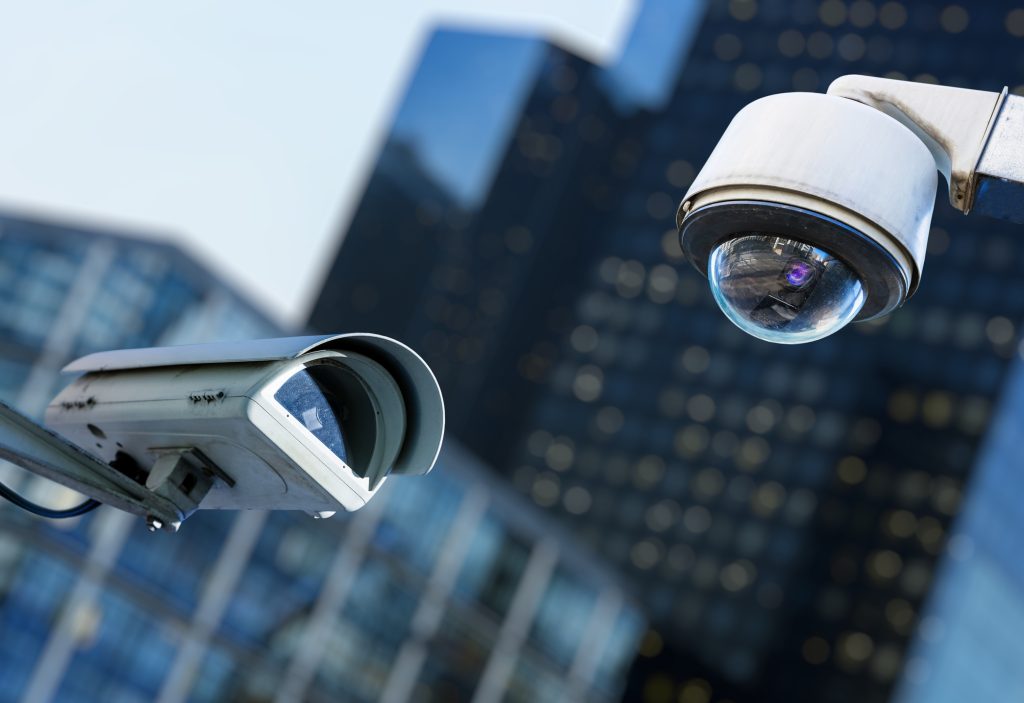
CCTV and video surveillance system work combines many of the access, electrical, and lone working risks found across the wider security systems trade, with its own particular demands around temporary tower installation, high-level camera mounting, and the display screen equipment considerations of control room monitoring work. From fixed internal cameras to perimeter masts, ANPR systems, and mobile CCTV towers on construction sites, the range of commercial applications is genuinely broad. Business Management Systems Limited provides health and safety consultancy built specifically around the realities of CCTV and video surveillance system work across all major commercial applications.
Why CCTV Contractors Need Specialist Support
CCTV system work spans fixed internal and external cameras, pan-tilt-zoom units, thermal and infrared cameras for perimeter security, automatic number plate recognition systems installed at vehicle entry points, integrated video management platforms, and temporary or mobile CCTV towers widely used on construction sites and vacant properties. Each of these applications carries a distinct combination of access, electrical, and installation risks. A generic risk assessment cannot properly address the difference between mounting an internal dome camera in an office corridor and installing a perimeter camera mast on a twelve-metre pole at an industrial site. Our consultancy produces documentation matched to the specific camera system, mounting location, and installation environment involved.
Working at Height for Camera Installation
CCTV cameras are frequently mounted at height on building elevations, roof edges, poles, and masts, with perimeter security cameras in particular often sited well above typical scaffold or podium step reach. We help clients comply with the Work at Height Regulations 2005, producing risk assessments and safe systems of work matched to the specific mounting height and method involved, including ladder access for lower-level internal work, mobile elevating work platforms for higher external installations, and specific procedures for mast and pole-mounted cameras that may require cherry pickers or specialist access equipment.
Temporary and Mobile CCTV Tower Installation
Temporary CCTV towers, widely deployed on construction sites, vacant properties, and event security applications, present a distinct set of hazards relating to their delivery, positioning, and ballasting. These units are typically delivered by HIAB or crane-equipped vehicle and require careful manual handling and lifting coordination during offload and positioning, alongside the placement of ballast weights or ground anchors to ensure stability, particularly in exposed or windy locations. We help clients develop safe systems of work for temporary tower delivery and installation, including safe slinging and lifting procedures, ground condition assessment before positioning, and clear stability criteria addressing wind loading and ground bearing capacity.
Solar and Battery-Powered System Considerations
Many temporary and remote CCTV installations incorporate solar panels and battery storage to provide power in locations without a mains connection, introducing electrical hazards specific to these systems, including battery handling, charge controller wiring, and the manual handling of solar panel units during installation. We help clients develop safe systems of work for solar and battery-powered CCTV systems, addressing correct battery handling and disposal, safe electrical connection procedures, and the manual handling of panel and battery components during transport and installation.
Electrical Safety and Power over Ethernet Systems
Modern IP-based CCTV systems are frequently powered using Power over Ethernet, reducing the need for separate mains wiring to individual cameras, but installation and commissioning work still requires engineers to work with network switches, injectors, and, in the case of hybrid or legacy analogue systems, mains-powered equipment. We support clients in developing safe systems of work in line with the Electricity at Work Regulations 1989, addressing correct isolation procedures where mains-powered equipment is involved, and safe practice for working with structured cabling and network infrastructure supporting PoE camera systems.
Cabling, Ceiling Voids and Confined Spaces
Cable installation for CCTV systems frequently requires access into ceiling voids, risers, and other restricted spaces, particularly where covert or discreetly sited cameras require cabling to be run through existing building fabric without disturbing finishes. We help clients assess these spaces under the Confined Spaces Regulations 1997 where applicable, developing safe entry and exit procedures and clear guidance on recognising when a space requires formal confined space controls rather than routine ceiling void access.
Asbestos Awareness in Cable Routing
Cable installation and camera fitting in older buildings frequently requires access into ceiling voids and risers where asbestos-containing materials, including insulation on existing services and older ceiling tile products, may be present. We support clients in developing asbestos awareness training and safe systems of work aligned with the Control of Asbestos Regulations 2012, with clear procedures for identifying and safely working around suspect materials encountered during installation work.
ANPR and Roadside Camera Installation
Automatic number plate recognition cameras are frequently installed at vehicle entry points, car park barriers, and roadside locations, exposing engineers to vehicle movement risks during installation and maintenance. We help clients develop safe systems of work that address traffic management arrangements where cameras are sited near live traffic routes, safe working practices around vehicle barriers and access control equipment, and coordination with site occupiers to manage vehicle movements during installation work.
Lone Working and Personal Safety
CCTV engineers frequently work alone, visiting multiple sites in a single day, working out of hours to minimise disruption, or attending vacant and derelict properties to install or maintain temporary security systems. We help clients develop robust lone working procedures, including check-in and check-out arrangements, clear escalation procedures if an engineer fails to check in, and specific risk assessments for attending vacant or derelict premises, addressing structural hazards and uncontrolled access by third parties that would not be present in occupied buildings.
Working in Vacant and Derelict Premises
CCTV installation, particularly for temporary security systems protecting vacant properties awaiting redevelopment or sale, frequently takes engineers into buildings that may present structural hazards, including deteriorated flooring, damaged staircases, and evidence of unauthorised occupation. We help clients develop specific pre-attendance risk screening and clear procedures for engineers to withdraw and seek assistance where a property presents risks beyond routine installation work.
Display Screen Equipment in Control Room Monitoring
Where CCTV systems feed into a staffed control room or monitoring station, operators spend extended periods viewing display screens, bringing this work within the scope of the Health and Safety (Display Screen Equipment) Regulations 1992. We help clients with control room operations develop appropriate workstation assessments, addressing screen positioning, seating, lighting, and rest break arrangements to reduce the risk of musculoskeletal and visual strain associated with sustained monitoring work.
Driving for Work and Multi-Site Travel
CCTV engineers typically travel between multiple sites each day, often carrying tools, cabling, and camera equipment in company vehicles. We help clients develop safe driving for work policies, including vehicle maintenance and inspection arrangements, safe loading and vehicle security procedures for equipment and stock, and guidance on managing fatigue where engineers cover extensive multi-site schedules.
Working Within CDM Frameworks
CCTV contractors working on new build or major refurbishment projects fall within the scope of the Construction (Design and Management) Regulations 2015 where their work forms part of a wider construction project, and CCTV contractors supplying temporary tower systems to construction sites must also work within the principal contractor’s site rules and induction requirements. We help clients understand their duties under CDM 2015, prepare risk assessments and method statements to the standard expected by principal contractors, and ensure engineers attending live construction sites are properly briefed on site-specific hazards.
Supporting Your ISO Management System
For CCTV businesses working towards or maintaining ISO 45001, ISO 9001, or ISO 14001 certification, we provide full supporting consultancy, from gap analysis and documentation development through to internal audit and management review support, ensuring your management system genuinely reflects the lone working, height, and temporary installation demands central to your work.
Working With BMS
Business Management Systems Limited is a UKAS-accredited ISO management system consultancy with a clear understanding of the access, electrical, and personal safety demands placed on CCTV and video surveillance contractors, from fixed internal cameras to perimeter masts, temporary towers, and ANPR installations. We produce documentation your engineers will genuinely use, built around the realities of a trade spanning everything from quiet office installations to remote, unmanned perimeter security work.
If your CCTV or security systems business would benefit from health and safety consultancy grounded in the realities of the trade, contact Business Management Systems Limited to discuss how we can support your team.