

Brickwork and Blockwork Contractors Need Specialist HSE Support.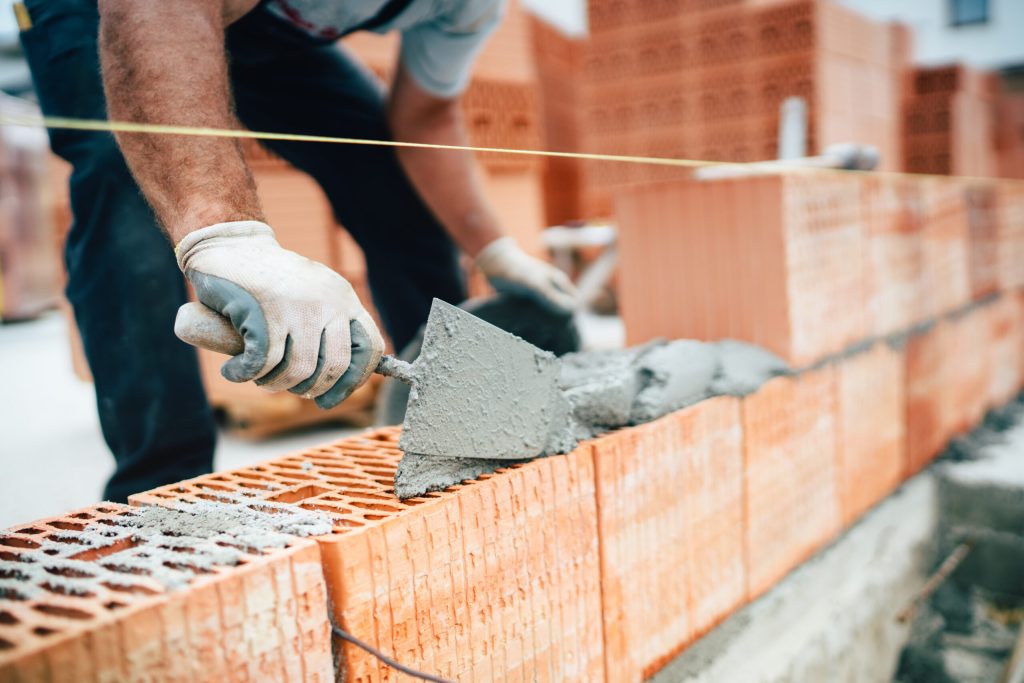
Brickwork and blockwork remains one of the most physically demanding trades in construction, combining sustained manual handling, exposure to cement and mortar, significant silica dust generation from cutting operations, and near-constant work at height on scaffolding as a structure rises. Across facing brickwork, structural blockwork, retaining walls, brick slip systems, and masonry cladding, the fundamentals of the trade remain physically punishing even as techniques and materials evolve. Business Management Systems Limited provides health and safety consultancy built specifically around the realities of brickwork and blockwork construction across all major commercial applications.
Why Brickwork and Blockwork Contractors Need Specialist Support
Bricklaying and blockwork contractors work across an unusually wide range of commercial applications, from traditional cavity wall construction on new build developments to structural blockwork in industrial units, facing brickwork on prestige commercial buildings, brick slip cladding systems, and repair or repointing work on existing masonry structures. Each brings a distinct combination of manual handling loads, cutting requirements, and access arrangements. A generic risk assessment cannot properly address the difference between laying dense concrete blockwork at ground level and installing brick slip cladding panels from a mast climbing work platform four storeys up. Our consultancy produces documentation matched to the specific masonry system, materials, and access method involved on each project.
Manual Handling of Bricks, Blocks and Mortar
Brickwork and blockwork is one of the most manual handling intensive trades in construction, involving the repeated lifting of bricks, dense and aircrete blocks, bagged cement and mortar, and materials moved by hand across scaffold platforms throughout the working day. We produce practical manual handling risk assessments in line with the Manual Handling Operations Regulations 1992, addressing safe lifting technique, block weight and size selection where alternatives exist, and the correct use of mechanical handling aids, including brick and block grabs, hoists, and forklift-mounted material platforms, to reduce the cumulative physical burden on bricklayers over the course of a project.
Respirable Crystalline Silica from Cutting Operations
Cutting bricks and blocks using disc cutters, bench saws, or angle grinders generates substantial quantities of respirable crystalline silica dust, a recognised cause of silicosis and other serious lung disease, and one of the most significant long-term health risks facing the trade. We help clients develop control measures in line with the Control of Substances Hazardous to Health Regulations 2002, including water-fed or vacuum-extraction cutting equipment, block splitters as an alternative to cutting where practicable, correctly selected respiratory protective equipment, and health surveillance arrangements for operatives regularly involved in cutting operations.
Hand-Arm Vibration from Cutting and Pointing Tools
Disc cutters, angle grinders, and vibrating pointing tools expose bricklayers to hand-arm vibration over sustained periods, with the risk compounded where cutting forms a significant part of daily work. We produce vibration risk assessments in line with the Control of Vibration at Work Regulations 2005, including exposure calculations based on the specific tools and duration of use, job rotation recommendations, and health surveillance where required to identify early signs of vibration-related injury.
Cement, Mortar and Skin Health
Wet cement and mortar are a well-established cause of cement burns and irritant contact dermatitis, and repeated skin contact over a working life remains a significant occupational health risk for bricklayers. We help clients develop safe systems of work for mixing and handling cement and mortar, including correct glove selection, safe mixer use, and clear guidance on immediate first aid response to skin contact, alongside broader awareness of the cumulative skin health risks associated with long-term exposure.
Working at Height on Scaffolding
Brickwork and blockwork is carried out almost entirely from scaffold platforms that rise with the structure being built, requiring close coordination between the bricklaying gang and the scaffolding contractor throughout a project. We help clients comply with the Work at Height Regulations 2005, addressing safe scaffold access and egress, correct working platform width and guardrail provision for the loads involved, and clear procedures for reporting scaffold defects or incomplete sections rather than working on platforms that have not been properly handed over and inspected.
Temporary Works and Structural Stability
Brickwork and blockwork construction frequently involves temporary support arrangements, including propping of openings, temporary restraint of freestanding walls during construction, and support during the formation of openings in existing masonry. We help clients understand their duties in relation to temporary works design and coordination, ensuring that appropriate temporary works designers and coordinators are engaged where required, and that site teams understand the limits of what can be safely constructed without temporary support in place.
Cavity Wall Construction and Insulation Coordination
Cavity wall construction requires careful coordination between bricklaying, insulation installation, and wall tie placement to achieve the designed thermal and structural performance, with sequencing errors potentially leading to trapped debris, mortar snots bridging the cavity, or missed wall ties. We help clients build quality coordination checks into their safe systems of work, reducing the risk of both immediate site hazards, such as mortar droppings creating trip hazards below, and longer-term building performance issues.
Retaining Walls and Below-Ground Structural Masonry
Retaining wall and below-ground masonry construction introduces additional risks relating to excavation stability, working adjacent to open excavations, and the structural loading considerations specific to retaining structures. We help clients develop safe systems of work that address safe working adjacent to excavations in line with relevant guidance, coordination with groundworks contractors, and clear sequencing to avoid masonry work proceeding ahead of adequate temporary or permanent support.
Fire Safety and Party Wall Compartmentation
Masonry construction plays a significant role in a building’s fire compartmentation strategy, particularly in relation to party walls and fire-separating structures between commercial units. We help clients understand the correct construction requirements for fire-separating masonry in line with relevant Building Regulations, including correct detailing at junctions with other elements of construction, to ensure fire performance is not compromised by poor coordination between trades.
Weather Exposure and Seasonal Working
Brickwork and blockwork is highly weather-dependent, with mortar performance affected by both extreme heat and frost, and sustained outdoor working exposing operatives to cold stress, heat stress, and manual handling risks compounded by wet or icy conditions underfoot. We help clients build weather-related working criteria into their safe systems of work, including cold weather working procedures and mortar protection measures, and clear guidance on suspending work when conditions present an unacceptable risk.
Working Within CDM Frameworks
Brickwork and blockwork contractors typically work as subcontractors within wider construction projects, bringing them within the scope of the Construction (Design and Management) Regulations 2015. We help clients understand their duties under CDM 2015, prepare construction phase documentation where required, and produce risk assessments and method statements to the standard expected by principal contractors across commercial, industrial, and residential development sectors.
Supporting Your ISO Management System
For brickwork and blockwork businesses working towards or maintaining ISO 45001, ISO 9001, or ISO 14001 certification, we provide full supporting consultancy, from gap analysis and documentation development through to internal audit and management review support, ensuring your management system genuinely reflects the physical and environmental demands of masonry construction.
Working With BMS
Business Management Systems Limited is a UKAS-accredited ISO management system consultancy with a clear understanding of the physical demands and technical risks inherent in brickwork and blockwork construction, from traditional cavity wall building to structural masonry, brick slip cladding, and retaining wall construction. We produce documentation your teams will genuinely use on site, built around the realities of a trade that remains one of the most physically demanding in construction.
If your brickwork or blockwork business would benefit from health and safety consultancy grounded in the realities of the trade, contact Business Management Systems Limited to discuss how we can support your team.