

Mobile Crane Operators need Specialist HSE Support.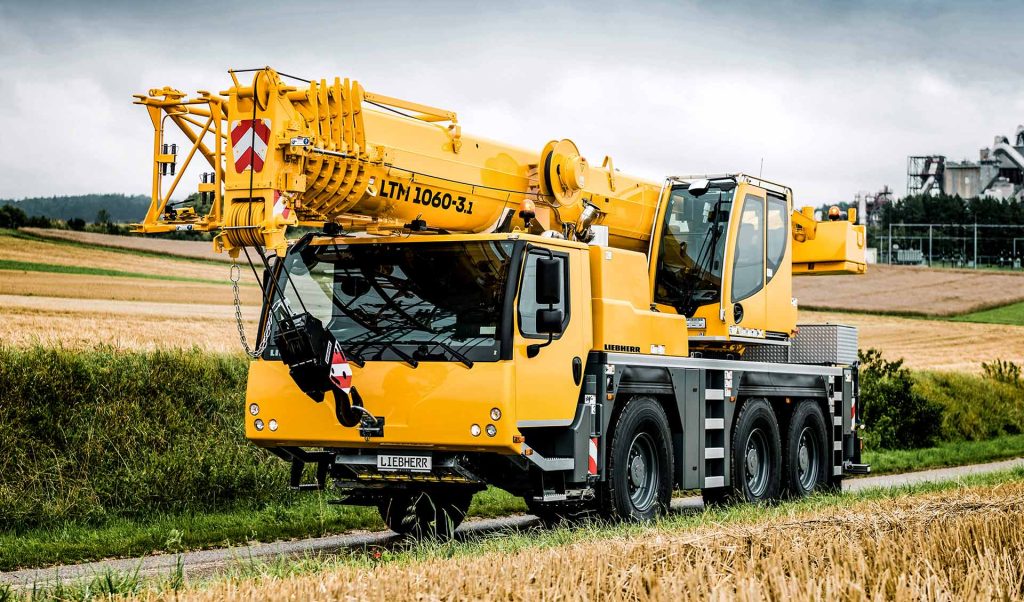
Crane operations sit among the highest-consequence activities in construction and industrial work, where a single error in ground assessment, lift planning, or overhead hazard identification can result in catastrophic structural failure or loss of life, not only to the crane crew but to anyone within range of the load or the crane itself. This is a sector governed by exacting regulatory and competency frameworks, and generic health and safety documentation is simply inadequate to the level of risk involved. Business Management Systems Limited provides health and safety consultancy built specifically around the realities of mobile crane operation and contract lifting across all major commercial applications.
Why Crane Operators and Contract Lift Providers Need Specialist Support
This sector spans mobile crane hire, contract lifting services where the crane provider assumes full responsibility for the lifting operation, tower crane erection and operation on construction sites, lorry loader and HIAB crane work, and specialist lifts including tandem lifting of oversized loads and precast concrete or steel erection lifts. Each of these activities carries its own planning, competency, and regulatory requirements. A generic risk assessment cannot properly address the difference between a straightforward single-crane lift on level hardstanding and a tandem lift of a large precast unit on a constrained urban site with overhead power lines nearby. Our consultancy produces documentation matched to the specific lift type, crane configuration, and site environment involved.
Compliance with LOLER and Lift Planning
Lifting operations in Great Britain are governed by the Lifting Operations and Lifting Equipment Regulations 1998, which require every lifting operation involving lifting equipment to be properly planned by a competent person, appropriately supervised, and carried out in a safe manner. We help clients build robust lift planning processes around this requirement, ensuring an appointed person with the necessary competence produces a lift plan appropriate to the complexity of the operation, from a simple method statement for routine lifts through to a detailed engineered lift plan for complex or tandem lifting operations.
Ground Conditions and Crane Stability
Inadequate ground assessment remains one of the most significant causes of crane overturns, whether from undetected voids, insufficiently compacted made ground, or outrigger loads exceeding the bearing capacity of the surface beneath. We help clients develop rigorous ground condition assessment procedures before crane positioning, including appropriate use of spreader mats and outrigger pads matched to calculated ground bearing pressure, and clear escalation procedures where ground conditions cannot be verified with sufficient confidence to proceed safely.
Overhead Power Line Contact
Contact between crane jibs, hoist ropes, or loads and overhead power lines remains a leading cause of fatal crane incidents, whether the crane itself becomes energised or a load makes direct contact with live conductors. We help clients develop robust safe systems of work for operating near overhead lines, including accurate identification of line routes and voltages before work begins, calculation of appropriate exclusion distances, and the use of physical barriers, goal posts, or proximity warning devices where lines cannot be isolated or diverted before crane work proceeds.
Contract Lift Versus Crane Hire Distinction
The distinction between a contract lift, where the crane provider takes on the appointed person role and full responsibility for planning and supervising the lifting operation, and a plant hire arrangement, where the client’s own appointed person retains that responsibility, has significant implications for where legal duties sit under LOLER. We help clients clearly define and document which arrangement applies to each lifting operation, ensuring that when a contract lift is provided, the appointed person duties are genuinely and demonstrably fulfilled, rather than left ambiguous between client and crane provider.
Crane Operator and Slinger Competency
Crane operation and associated slinging and signalling duties require demonstrable competency, typically evidenced through recognised industry card schemes, alongside specific training for the crane type and configuration being operated. We help clients build competency verification into their management systems, ensuring operators, slingers, and signallers hold appropriate and current certification for the specific equipment and lift category involved, and that competency records are readily available for audit by clients and principal contractors.
Wind Speed and Weather Monitoring
Crane operations are highly sensitive to wind speed, with maximum permissible operating limits varying by crane type, configuration, and load characteristics, particularly for loads with large surface area that catch wind more readily than compact loads. We help clients develop clear weather monitoring procedures, including defined wind speed thresholds for suspending operations, arrangements for real-time wind speed monitoring at height where crane jibs extend well above ground-level conditions, and clear authority for site personnel to halt lifting operations when conditions deteriorate.
Tandem Lifting and Complex Lift Planning
Tandem lifts, involving two cranes lifting a single load in coordination, introduce substantially greater complexity and risk than single-crane operations, requiring precise load distribution calculations, synchronised operation between crews, and a detailed engineered lift plan addressing the consequences of any deviation from the planned sequence. We help clients develop rigorous lift planning for tandem and other complex lifting operations, including clear communication protocols between crane operators, defined roles for lift supervision, and contingency planning for load imbalance or equipment malfunction during the lift.
Tower Crane Erection and Dismantling
Tower crane erection and dismantling introduces additional structural and access risks beyond routine mobile crane operation, including the temporary stability of partially erected structures, work at height throughout the erection sequence, and the coordination of auxiliary cranes typically required to assemble tower crane sections. We help clients develop safe systems of work for tower crane erection and dismantling, addressing structural sequencing, exclusion zones during the operation, and the specific competency requirements for personnel involved in this specialised work.
Exclusion Zones and Public Safety
Lifting operations, particularly on urban or occupied sites, require effective exclusion zones to protect both site personnel and members of the public from the risk of a dropped load or crane failure. We help clients develop clear exclusion zone planning, including physical barriers and signage, coordination with the wider site or public highway management where lifts extend over public areas, and clear procedures for briefing all personnel on the boundaries and duration of exclusion arrangements before a lift begins.
Thorough Examination and Equipment Maintenance
LOLER requires lifting equipment to undergo thorough examination by a competent person at intervals not exceeding twelve months, or six months for equipment used for lifting persons, alongside routine maintenance in line with manufacturer requirements. We help clients build robust thorough examination and maintenance scheduling into their management systems, ensuring documentation is current, defects identified during examination are properly rectified before further use, and records are readily available to demonstrate compliance to clients and enforcing authorities.
Working Within CDM Frameworks
Crane operators and contract lift providers working on construction sites fall within the scope of the Construction (Design and Management) Regulations 2015, and effective coordination with the principal contractor is essential given the potential for lifting operations to affect other trades and site activities. We help clients understand their duties under CDM 2015, ensuring lift plans are properly communicated and coordinated with the wider site programme, and that crane positioning and exclusion zones are agreed with the principal contractor before work begins.
Supporting Your ISO Management System
For crane operation and contract lift businesses working towards or maintaining SSIP, ISO 45001, ISO 9001, or ISO 14001 certification, we provide full supporting consultancy, from gap analysis and documentation development through to internal audit and management review support, ensuring your management system genuinely reflects the exacting regulatory and competency demands of lifting operations.
Working With BMS
Business Management Systems Limited is a UKAS-accredited ISO management system consultancy with a clear understanding of the regulatory and technical demands placed on crane operators and contract lift providers, from LOLER compliance and lift planning to ground condition assessment, overhead line safety, and tandem lift coordination. We produce documentation your teams will genuinely use, built around the realities of a sector where the margin for error is smaller, and the consequences of getting it wrong are more severe, than almost any other area of construction and industrial work.
If your crane operation or contract lift business would benefit from health and safety consultancy grounded in the realities of the trade, contact Business Management Systems Limited to discuss how we can support your team.