

Ground Work Contractors Need Specialist HSE Support.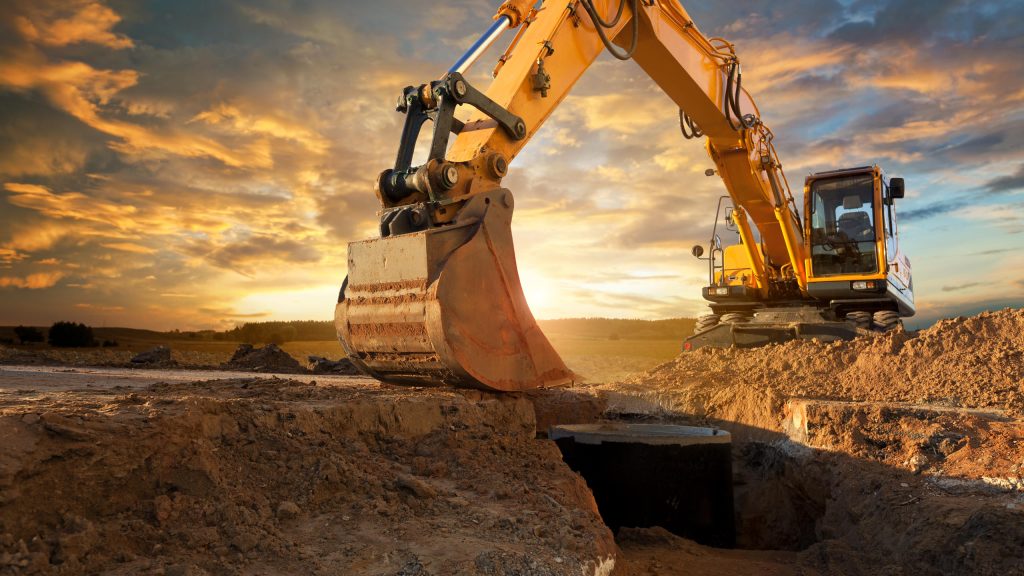
Groundworks combines some of the highest-consequence risks in the construction industry within a single trade: excavation collapse, underground service strikes, and plant interaction with people on foot remain leading causes of serious and fatal injury across UK construction, and groundworkers encounter all three as a matter of routine. Business Management Systems Limited provides health and safety consultancy built specifically around the realities of groundworks across all major commercial plant types and site activities.
Why Ground Worker Contractors Need Specialist Support
Groundworks spans bulk excavation and earthworks, foundation and footing construction, drainage and utility installation, piling, hardstanding and road construction, and reinstatement work, carried out using a wide range of plant including 360-degree excavators, mini diggers, dumpers, rollers and compactors, backhoe loaders, telehandlers, and specialist piling rigs. Each of these activities and machine types carries a distinct combination of excavation, plant, and manual handling risks. A generic risk assessment cannot properly address the difference between hand-digging a shallow service trench and operating a large excavator on a deep foundation dig with adjacent live services. Our consultancy produces documentation matched to the specific groundworks activity, plant, and ground conditions involved.
Excavation Collapse and Trench Safety
Excavation collapse remains one of the most serious and persistent risks in groundworks, capable of causing fatal crush and asphyxiation injury within seconds, and the apparent stability of an unsupported trench face is frequently deceptive. We help clients develop rigorous excavation safe systems of work, including proper assessment of ground conditions before work begins, correct specification of battering, benching, or support systems such as trench boxes and shoring, and clear procedures ensuring no one enters an excavation that has not been assessed and, where necessary, supported by a competent person.
Underground Service Strikes
Strikes on buried gas, electricity, water, and telecommunications services present a serious risk of explosion, electrocution, and service disruption, and remain a frequent occurrence across groundworks despite being substantially preventable through proper planning. We help clients develop robust safe digging practices, including obtaining and reviewing service records before work begins, cable avoidance tool scanning to verify service locations, safe digging techniques such as hand-dug trial holes in the vicinity of identified services, and permit-to-dig procedures for higher-risk excavation work.
Plant and Pedestrian Interaction
Groundworks sites involve close proximity between operating plant and personnel on foot, and collision between moving plant and pedestrians remains a leading cause of fatal injury on construction sites. We help clients develop effective segregation arrangements between plant and pedestrian routes, including physical barriers, defined pedestrian walkways, banksman and signaller procedures for reversing and manoeuvring plant, and clear site rules restricting pedestrian access to areas where plant is actively operating.
Plant Operator Competency
Excavators, dumpers, rollers, telehandlers, and piling rigs all require demonstrable operator competency, typically evidenced through recognised industry card schemes and machine-specific training. We help clients build competency verification into their management systems, ensuring operators hold appropriate and current certification for the specific plant they are operating, and that competency records are readily available for audit by clients and principal contractors.
Plant Overturning and Ground Stability
Excavators and other tracked or wheeled plant present a risk of overturning on uneven, sloped, or unstable ground, particularly when operating near excavation edges or on made ground of uncertain bearing capacity. We help clients develop safe systems of work addressing safe working distances from excavation edges, ground condition assessment before plant is positioned, and correct use of stabilisers or outriggers where fitted, reducing the risk of plant instability during excavation and lifting operations.
Manual Handling of Drainage and Groundworks Materials
Drainage pipes, precast manhole rings, kerbs, and paving materials are heavy and often require mechanical lifting assistance, though manual handling remains a factor in positioning and final placement work. We produce practical manual handling risk assessments in line with the Manual Handling Operations Regulations 1992, addressing safe lifting technique, team handling for heavier items, and the coordinated use of excavators or cranes for lifting precast components into position.
Confined Spaces in Manholes and Deep Excavations
Manhole and chamber entry, pipe-laying within deep trenches, and work within confined excavations can present confined space characteristics, including the risk of atmospheric hazards from adjacent services or decomposing organic material. We help clients comply with the Confined Spaces Regulations 1997, developing safe entry and exit procedures, atmospheric monitoring where appropriate, and emergency arrangements specific to the type of confined space encountered.
Noise, Whole Body Vibration and Hand-Arm Vibration
Operating heavy plant exposes groundworkers to whole body vibration over sustained periods, while compaction equipment such as plate compactors and vibrating rollers introduces hand-arm vibration risk for operatives working in close contact with the equipment. We produce noise and vibration risk assessments in line with the Control of Noise at Work Regulations 2005 and the Control of Vibration at Work Regulations 2005, including exposure calculations based on specific plant and duration of use, and recommendations for operator rotation and health surveillance where required.
Dust, COSHH and Concrete Handling
Concrete cutting and aggregate handling generate dust that may contain respirable crystalline silica, while wet concrete presents skin irritation and burn risks similar to those found in other trades handling cement-based products. We help clients develop control measures under the Control of Substances Hazardous to Health Regulations 2002, including dust suppression and extraction for cutting operations, correct PPE for concrete handling, and safe storage arrangements for fuels and other hazardous substances kept on site for plant operation.
Weather Exposure and Site Conditions
Groundworks is carried out almost entirely outdoors, exposing operatives to sustained weather conditions, wet and muddy ground underfoot, and seasonal extremes of heat and cold that compound manual handling and plant operation risks. We help clients build weather-related working criteria into their safe systems of work, including appropriate welfare provision, site access and egress maintenance in poor conditions, and clear guidance on suspending work when conditions present an unacceptable risk.
Traffic Management for Highways and Utility Works
Groundworks carried out on or adjacent to public highways, including utility connections and drainage works, require compliance with statutory traffic management requirements and coordination with local highway authorities. We help clients develop compliant traffic management plans, including appropriate signing, lighting, and guarding for works affecting the public highway, and coordination with relevant permit schemes governing works on adopted roads.
Working Within CDM Frameworks
Groundworks contractors typically work as subcontractors within wider construction projects, bringing them within the scope of the Construction (Design and Management) Regulations 2015. We help clients understand their duties under CDM 2015, prepare construction phase documentation where required, and produce risk assessments and method statements to the standard expected by principal contractors across commercial, residential, and infrastructure sectors.
Supporting Your ISO Management System
For groundworks businesses working towards or maintaining ISO 45001, ISO 9001, or ISO 14001 certification, we provide full supporting consultancy, from gap analysis and documentation development through to internal audit and management review support, ensuring your management system genuinely reflects the excavation, plant, and environmental demands of your work.
Working With BMS
Business Management Systems Limited is a UKAS-accredited ISO management system consultancy with a clear understanding of the excavation, plant, and service strike risks inherent in groundworks, from foundation digs and drainage installation to piling and highways works. We produce documentation your teams will genuinely use on site, built around the realities of a trade where some of construction’s most serious and preventable incidents continue to occur.
If your groundworks business would benefit from health and safety consultancy grounded in the realities of the trade, contact Business Management Systems Limited to discuss how we can support your team.