

Commercial Flooring System Contractors Need Specialist HSE Support.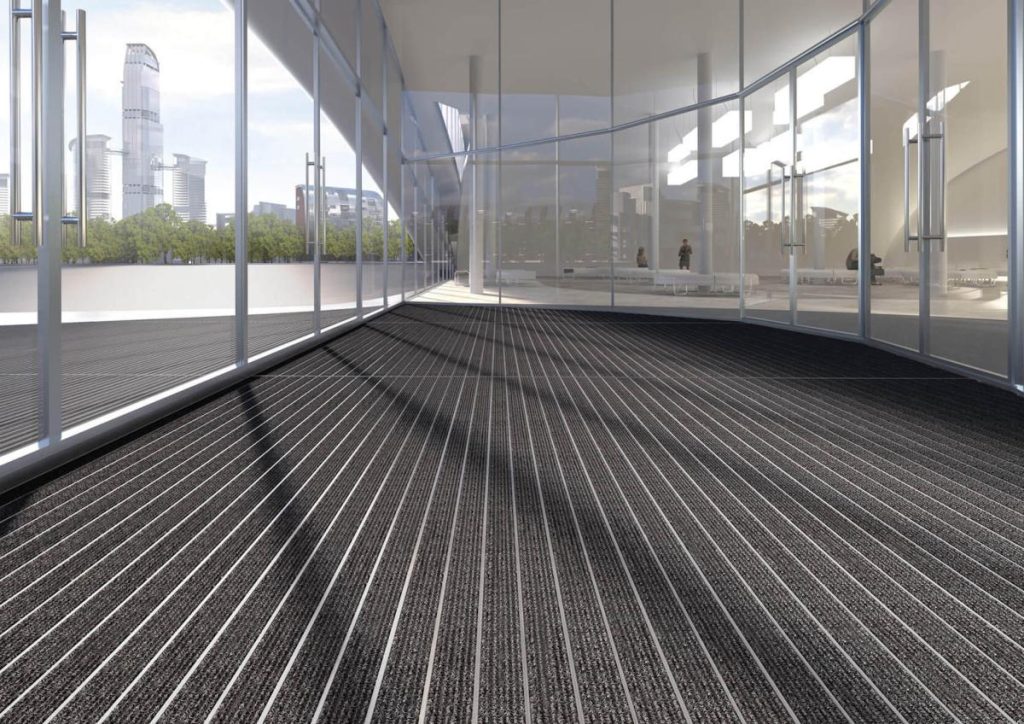
Commercial flooring installation covers a remarkably diverse range of materials, substrates, and installation methods, each bringing its own combination of chemical, physical, and manual handling hazards. From resin flooring in food production environments to raised access flooring in data centres, carpet tiles in open-plan offices, and polished concrete in retail units, flooring contractors face a breadth of risk that generic construction health and safety documentation rarely captures with any precision. Business Management Systems Limited provides health and safety consultancy built specifically around the realities of commercial flooring installation across all major floor types.
Why Flooring Contractors Need Specialist Support
Flooring work spans an unusually wide technical range within a single trade. A contractor might move between installing carpet tiles in a corporate office, applying self-levelling screed ahead of a resin system in a warehouse, laying safety flooring in a healthcare setting, and fitting raised access flooring in a comms room, sometimes within the same working week. Each of these tasks carries a distinct hazard profile: chemical exposure from resin and adhesive systems, respirable crystalline silica from subfloor preparation, manual handling of heavy roll goods and screed bags, and working in occupied premises around live services. Generic risk assessments cannot properly reflect this diversity. Our consultancy produces documentation matched to the specific floor system, substrate, and environment involved on each project.
Subfloor Preparation and Respirable Crystalline Silica
Nearly every flooring installation begins with subfloor preparation, whether that is grinding, shot blasting, scarifying, or diamond planing an existing concrete substrate. These processes generate respirable crystalline silica dust, a recognised cause of silicosis and other serious lung disease, and one that the Health and Safety Executive has identified as a continuing priority across the flooring and construction sectors. We help clients develop control measures in line with the Control of Substances Hazardous to Health Regulations 2002, including on-tool extraction, wet suppression methods where appropriate, and respiratory protective equipment selection matched to the exposure levels involved, alongside health surveillance arrangements for engineers regularly exposed to silica dust.
Resin Flooring and Chemical Exposure
Epoxy, polyurethane, and polyaspartic resin systems are widely used in industrial, food production, pharmaceutical, and commercial environments, and bring a distinct set of chemical hazards including skin sensitisation, respiratory irritation, and in some cases exposure to isocyanates. We produce COSHH assessments specific to the resin systems our clients use, addressing correct mixing and application procedures, ventilation requirements, skin protection, and the particular controls needed where isocyanate-containing products are involved, including health surveillance where the risk assessment identifies a need. We also advise on safe curing and reoccupation timescales, particularly in occupied buildings where odour and vapour management affects staff and visitors as well as the installation team.
Adhesives and Volatile Organic Compounds
Carpet tile, vinyl, LVT, and safety flooring installations rely heavily on adhesive systems, many of which release volatile organic compounds during application and curing. We help clients assess and control exposure to solvent-based and water-based adhesives alike, ensuring appropriate ventilation, safe storage of flammable adhesives, and correct selection of PPE. Where work takes place in occupied buildings, we also help clients manage the wider implications of VOC release for building occupants, including phased working and appropriate signage.
Manual Handling of Flooring Materials
Flooring materials present some of the most persistent manual handling challenges in the construction sector, from screed and levelling compound bags to rolls of vinyl, carpet, and safety flooring, and boxed raised access floor panels. These materials are frequently heavy, awkward to manoeuvre through restricted access routes, and must often be moved considerable distances across a finished or partially finished floor without causing damage. We produce practical manual handling risk assessments in line with the Manual Handling Operations Regulations 1992, including guidance on mechanical handling aids, team lifting protocols, and material staging arrangements that reduce unnecessary carrying distances.
Raised Access Flooring and Electrical Considerations
Raised access flooring, widely used in data centres, comms rooms, and open-plan offices with extensive cable management requirements, introduces its own particular risks, including working around live electrical containment and data cabling beneath the floor void, trip hazards from incomplete panel installation, and confined space characteristics within deeper floor voids used for air handling. We help clients develop safe systems of work for raised access floor installation that address isolation and permit-to-work arrangements where work takes place near live services, and safe access and egress procedures for engineers working within the floor void itself.
Noise and Hand-Arm Vibration
Floor grinding, scarifying, and preparation equipment can expose operatives to significant levels of noise and hand-arm vibration over the course of a working day. We produce noise and vibration risk assessments in line with the Control of Noise at Work Regulations 2005 and the Control of Vibration at Work Regulations 2005, including exposure calculations based on the specific equipment and duration of use, and recommendations for equipment selection, job rotation, and health surveillance where required.
Slips, Trips and Wet Floor Management
Flooring installation inherently creates temporary slip and trip hazards, whether from wet adhesive, uncured resin, exposed subfloor edges, or partially completed sections of a floor. We help clients develop safe systems of work that address phased handover of completed areas, temporary barriers and signage, and safe pedestrian routes through active work areas, particularly important where flooring is installed in occupied buildings such as retail units, schools, or healthcare premises that must remain partially operational during works.
Fire Risk from Adhesives and Curing Products
Certain flooring adhesives and resin systems present a fire risk during storage, mixing, and application, particularly solvent-based products and some two-part resin systems that generate heat during curing. We help clients develop safe storage arrangements for flammable materials, appropriate ventilation during application, and emergency procedures specific to the products in use, reducing the risk of fire during installation work.
Moisture Testing and Substrate Assessment
Installing flooring over a substrate with excessive moisture content can lead to adhesive failure, flooring lifting, and in some cases mould growth beneath the finished floor, but the testing process itself, including relative humidity probe testing and calcium carbide testing, carries its own handling considerations. We help clients develop safe systems of work for moisture testing, including the correct handling of calcium carbide reagent where used, which reacts with moisture to release flammable acetylene gas and must be stored, transported, and used with appropriate controls.
Working in Occupied Premises
A significant proportion of commercial flooring work takes place in occupied buildings, including retail units trading around installation works, offices operating a phased return to refurbished space, and healthcare or education settings that cannot fully close. We help clients develop safe systems of work that address public and staff interface, out-of-hours working arrangements, and clear communication protocols with the client regarding programme and access, reducing risk to both the installation team and building occupants.
Working Within CDM Frameworks
Flooring contractors typically work as subcontractors within wider fit-out, refurbishment, and construction projects, placing them within the scope of the Construction (Design and Management) Regulations 2015. We help clients understand their duties under CDM 2015, prepare construction phase documentation where required, and produce risk assessments and method statements to the standard expected by principal contractors and clients across retail, commercial, industrial, healthcare, and education sectors.
Supporting Your ISO Management System
For flooring contracting businesses working towards or maintaining ISO 45001, ISO 9001, or ISO 14001 certification, we provide full supporting consultancy, from gap analysis and documentation development through to internal audit and management review support, ensuring your management system reflects the genuine diversity of floor types and installation methods your business works with, rather than sitting apart from daily operations.
Working With BMS
Business Management Systems Limited is a UKAS-accredited ISO management system consultancy with a clear understanding of the technical and chemical demands placed on flooring contractors across carpet, vinyl, resin, raised access, screed, and specialist safety flooring installations. We produce documentation your teams will genuinely use on site, built around the realities of working with the full range of commercial floor systems in occupied and unoccupied environments alike.
If your flooring business would benefit from health and safety consultancy grounded in the realities of the trade, contact Business Management Systems Limited to discuss how we can support your team.