

Carpentry and Joinery Contractors Need Specialist HSE Support.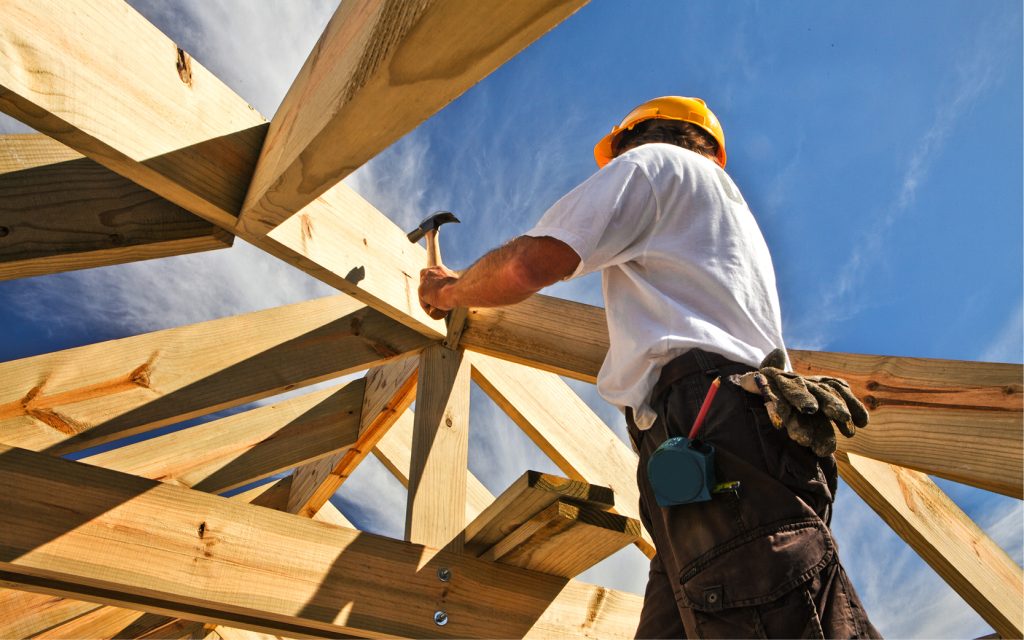
Carpentry and joinery spans an unusually broad range of work, from first fix structural carpentry and roof truss erection through to bespoke joinery manufacture, staircase installation, fire door fitting, and timber frame construction. This breadth brings together workshop-based machinery risks, site-based work at height, wood dust exposure now recognised as a serious long-term health hazard, and, in the case of fire doors, a compliance responsibility with genuinely life-critical consequences. Business Management Systems Limited provides health and safety consultancy built specifically around the realities of carpentry and joinery across all major commercial applications.
Why Carpentry and Joinery Contractors Need Specialist Support
A carpentry and joinery business may combine workshop-based bespoke manufacture with site-based first and second fix installation, structural timber frame erection, and fire door fitting, sometimes all within the same contract. Each of these activities carries a distinct hazard profile: fixed machinery risks in the workshop, work at height during roof structure erection, wood dust exposure during both cutting and sanding, and the serious life safety implications of incorrectly installed or modified fire doors. A generic risk assessment cannot properly address the difference between operating a bench saw in a joinery workshop and fitting roof trusses at height on a construction site. Our consultancy produces documentation matched to the specific carpentry or joinery activity, materials, and environment involved.
Workshop Machinery and Guarding
Joinery workshops rely on fixed machinery including circular saws, planer-thicknessers, spindle moulders, and band saws, all of which present serious risks of entanglement, amputation, and eye injury if inadequately guarded or operated by untrained personnel. We help clients comply with the Provision and Use of Work Equipment Regulations 1998, ensuring machinery guarding meets current standards, that only trained and competent operators use specific machines, and that maintenance and inspection regimes are properly documented, with particular attention to older machinery that may not meet current guarding standards without retrofit modification.
Wood Dust and Respiratory Health
Wood dust, and hardwood dust in particular, is recognised as a cause of occupational asthma and nasal cancer, placing it among the more serious respiratory hazards found across the construction trades, and one that the Health and Safety Executive has specifically prioritised in recent years. We help clients develop control measures in line with the Control of Substances Hazardous to Health Regulations 2002, including local exhaust ventilation on fixed machinery, on-tool extraction for portable power tools, correctly selected respiratory protective equipment for tasks where extraction alone is insufficient, and health surveillance arrangements for operatives with regular exposure to wood dust.
Noise and Hand-Arm Vibration from Power Tools
Circular saws, routers, sanders, and other power tools used throughout carpentry and joinery work expose operatives to noise and, particularly with sanding and routing tools, hand-arm vibration over sustained periods. We produce noise and vibration risk assessments in line with the Control of Noise at Work Regulations 2005 and the Control of Vibration at Work Regulations 2005, including exposure calculations based on the specific tools and duration of use, and recommendations for tool selection, job rotation, and health surveillance where required.
Nail Guns and Powder-Actuated Fixing Tools
Nail guns and powder-actuated fixing tools, widely used in first fix carpentry and structural timber work, carry a specific risk of serious puncture injury if used incorrectly or if safety mechanisms are bypassed or defeated. We help clients develop safe systems of work for the selection, training, and use of these tools, including correct trigger mechanism selection for the task, mandatory training before use, and clear procedures for tool maintenance and defect reporting.
First Fix Carpentry and Structural Timber
First fix carpentry, including floor joist installation, stud partition framing, and roof structure erection, frequently takes place before permanent edge protection or floor coverings are in place, and often at height on partially completed structures. We help clients comply with the Work at Height Regulations 2005 and develop safe systems of work that address safe sequencing of temporary and permanent fall protection, safe access to partially constructed floors and roof structures, and coordination with other trades where structural carpentry forms part of a wider construction sequence.
Timber Frame Construction and Panel Erection
Timber frame construction, whether panelised or stick-built, introduces additional risks around the lifting and temporary stability of large wall and floor panels during erection, often requiring crane assistance and temporary bracing before permanent fixings are complete. We help clients develop safe systems of work for panel erection, including lifting plan coordination, temporary bracing and propping arrangements, and clear sequencing to ensure structural stability is maintained throughout the erection process rather than relying on incomplete permanent fixings.
Second Fix Carpentry and Ironmongery
Second fix carpentry, including door hanging, skirting and architrave fitting, and ironmongery installation, generally presents a lower physical risk profile than first fix work, but still involves repetitive power tool use, manual handling of doors and sheet materials, and work often carried out in occupied or near-complete buildings requiring careful coordination with other trades and building users.
Fire Doors and Life Safety Compliance
Fire door installation and certification has become an area of intense scrutiny following well-documented failures in fire door performance across the construction industry, and correct installation is a genuine life safety matter rather than a simple quality issue. We help clients understand their responsibilities in relation to fire door specification, ensuring doors are installed strictly in accordance with their certification and manufacturer instructions, including correct intumescent seals, gaps, and ironmongery, and that any subsequent alteration, including simply drilling a hole for additional hardware, does not invalidate the door’s fire performance without proper assessment.
Bespoke Joinery and Staircase Installation
Bespoke joinery items and staircases are often heavy, awkward, and finished to a standard that makes damage during handling and installation both a safety and a commercial concern. We produce practical manual handling risk assessments in line with the Manual Handling Operations Regulations 1992, addressing safe lifting and carrying technique, team handling requirements for large staircases and joinery items, and the use of mechanical handling aids and protective packaging to reduce both injury risk and the risk of damage to finished items.
Adhesives and COSHH in Joinery Work
Contact adhesives, solvent-based finishes, and certain wood treatment products used in joinery manufacture and installation present chemical exposure risks requiring proper assessment. We help clients develop COSHH assessments for the specific adhesives and finishing products used, addressing ventilation requirements, correct PPE selection, and safe storage of flammable adhesives and solvents both in the workshop and on site.
Lone Working in Smaller Joinery Businesses
Many carpentry and joinery businesses operate as sole traders or small teams, often carrying out installation work alone in domestic or small commercial premises. We help clients develop lone working procedures appropriate to the scale of the business, including check-in arrangements, emergency contact procedures, and clear guidance on tasks that should not be undertaken alone due to the manual handling or access risks involved.
Working Within CDM Frameworks
Carpentry and joinery contractors frequently work as subcontractors within wider construction and fit-out projects, bringing them within the scope of the Construction (Design and Management) Regulations 2015. We help clients understand their duties under CDM 2015, prepare construction phase documentation where required, and produce risk assessments and method statements to the standard expected by principal contractors across commercial, residential, and industrial sectors.
Supporting Your ISO Management System
For carpentry and joinery businesses working towards or maintaining ISO 45001, ISO 9001, or ISO 14001 certification, we provide full supporting consultancy, from gap analysis and documentation development through to internal audit and management review support, ensuring your management system reflects both your workshop and site-based operations.
Working With BMS
Business Management Systems Limited is a UKAS-accredited ISO management system consultancy with a clear understanding of the technical demands placed on carpentry and joinery contractors, from workshop machinery and wood dust control to structural timber erection, staircase installation, and fire door compliance. We produce documentation your teams will genuinely use, built around the realities of the full range of commercial carpentry and joinery work.
If your carpentry or joinery business would benefit from health and safety consultancy grounded in the realities of the trade, contact Business Management Systems Limited to discuss how we can support your team.